
Views: 231 Author: Site Editor Publish Time: 2025-12-03 Origin: Site


Installing burner fittings is one of the most decisive steps in achieving stable combustion, consistent heat output, and long-term reliability in any heating or industrial fuel-burning system. When performed correctly, the installation of burner fittings reduces wasted fuel, minimizes carbon buildup, improves flame quality, and protects mechanical components from premature failure. This guide provides a comprehensive, application-focused framework that helps professionals, technicians, and facility operators install burner fittings with maximum efficiency in mind. Every section is structured to directly support the goal of elevating system performance through precision installation, optimized component selection, and methodical validation.
Burner fittings serve as the connecting interface between the fuel source, burner assembly, and flame delivery system. Their sizing, alignment, and material quality directly influence how smoothly fuel flows, how consistently it atomizes, and how cleanly it burns. Poorly installed or incorrectly chosen burner fittings disrupt this balance, leading to turbulence, leaks, pressure drops, or uneven fuel distribution.
To achieve optimal efficiency, the installer must understand how burner fittings affect combustion parameters such as air-to-fuel ratio, ignition stability, flame temperature, and thermal transfer. High-precision fittings reduce energy loss and ensure uniform fuel delivery across load conditions. When integrated properly, the system benefits from lower operating costs, fewer maintenance interventions, and improved equipment lifespan.
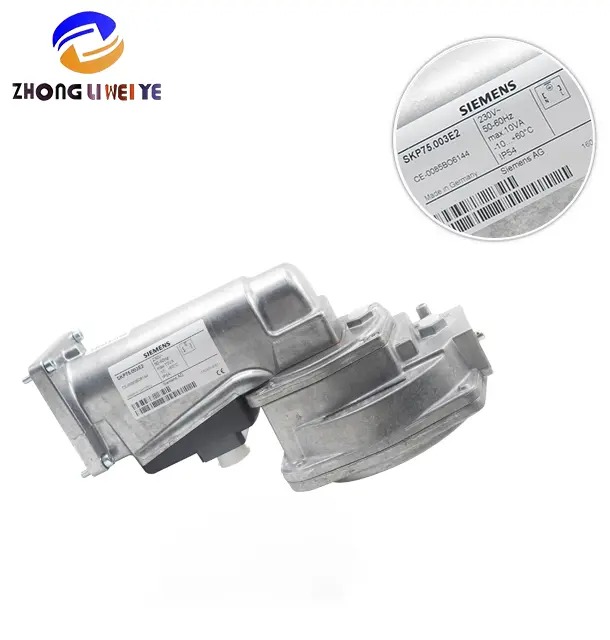
The foundation of an efficient installation begins long before the fittings are placed. A pre-installation assessment ensures compatibility between burner fittings and the heating system’s specifications. This evaluation includes mapping fuel type characteristics, identifying maximum allowable pressure, checking burner capacity, and studying manufacturer guidelines.
A detailed inspection of existing components helps identify obstructions, corrosion, or dimensional inconsistencies that may compromise the new fittings. It is also critical to measure connection points precisely to avoid forcing or modifying components during installation, which may later cause micro-leaks or destabilize the burner’s fuel path. A well-executed assessment minimizes installation risks and ensures the burner fittings operate exactly as engineered.
Choosing the correct burner fittings determines whether the system can reach its highest efficiency potential. Installers must evaluate construction material, thermal resistance, corrosion protection, and pressure ratings. Stainless steel fittings, for example, excel in industrial environments that expose components to moisture or acidic combustion byproducts. Brass fittings may be selected for lighter-duty applications requiring reliable sealing without excessive thermal cycling.
Selection also involves ensuring that the fittings match fuel type—whether natural gas, propane, oil, or mixed-fuel systems. Each fuel grade exhibits unique viscosity or pressure behavior, and selecting fittings designed for that profile prevents turbulence or delivery inconsistencies. Additionally, engineered fittings with precision threading, reinforced sealing surfaces, and low-restriction pathways contribute to smoother fuel flow and better system efficiency.
| Material | Strengths | Limitations | Ideal Use Case |
|---|---|---|---|
| Stainless Steel | High durability, corrosion-resistant, heat-tolerant | Higher cost | Industrial burners, high-heat systems |
| Brass | Easy to install, reliable sealing, cost-efficient | Less suitable for extreme heat | Residential and light commercial systems |
| Carbon Steel | Strong, economical | Vulnerable to corrosion | Environments with low moisture or contaminants |
| Aluminum | Lightweight, inexpensive | Lower heat resistance | Portable burners or low-temperature systems |
A systematic installation process ensures each burner fitting is secured according to engineering requirements. The following steps provide a structured approach that minimizes inefficiencies and mechanical risks:
Prepare the work area by isolating the fuel supply, depressurizing the system, and cleaning all contact surfaces. Dust, oil, or old sealant can undermine proper seating.
Inspect all burner fittings for thread quality, dimensional accuracy, and manufacturing defects. Using imperfect fittings often results in leaks or misalignment.
Dry-fit components before full installation to verify compatibility and correct orientation. This prevents unnecessary rework once sealant is applied.
Apply suitable thread sealant, such as high-temperature PTFE or anaerobic compound, depending on system specifications. The sealant must support both pressure rating and fuel type.
Tighten fittings progressively, avoiding overtightening, which may distort threads or crack delicate components. Mechanical torque guidelines from the manufacturer should always be followed.
Reconnect the fuel line and perform an immediate low-pressure test to confirm sealing integrity before activating the burner at full capacity.
A structured, disciplined installation sequence contributes to long-term efficiency by preventing misalignment and reducing energy loss through leaks or pressure fluctuations.
Even when correctly installed, burner fittings must undergo alignment and calibration checks to ensure fuel flows uniformly and predictably. Small deviations in angle or depth can cause turbulence, incomplete combustion, and temperature dispersion across the flame. Calibration involves adjusting the position of fittings relative to nozzles, regulators, and burner heads to maintain proper fuel velocity and delivery pattern.
Proper sealing also plays a crucial role. Any leak, even a minor one, disrupts the fuel-to-air ratio and forces the burner to compensate by burning more fuel. Seal integrity should be tested both statically and dynamically—first with low pressure, then under operational loads. High-quality sealing materials, temperature-rated O-rings, and precision threads reduce long-term fuel loss and extend burner longevity.
| Misalignment Indicator | Possible Cause | Efficiency Impact |
|---|---|---|
| Uneven flame shape | Angular misalignment | Reduced thermal transfer |
| Pulsating flame | Excessive fuel turbulence | Fuel waste and unstable operation |
| Low ignition reliability | Fuel delivery offset | Higher energy consumption |
| Carbon buildup on nozzle | Poor sealing or crooked fitting | Maintenance increases |

Installing burner fittings efficiently is inseparable from performing thorough safety and compliance checks. Every jurisdiction has specific standards governing pressure systems, fuel delivery assemblies, and combustion equipment. Ensuring compliance prevents legal risk and protects operators from hazardous conditions.
Performance verification includes pressure testing, leak detection, flame observation, and combustion analysis. Advanced diagnostics—such as exhaust gas monitoring—allow installers to verify that the system achieves optimal combustion efficiency. These tests confirm the fittings were installed correctly and that they support consistent operation under various loads.
Even perfectly installed burner fittings require routine maintenance to sustain optimal performance. Thermal expansion, vibration, and exposure to combustion byproducts gradually weaken seals, threads, and contact surfaces. Scheduled inspections help operators detect early signs of leakage, corrosion, or mechanical fatigue.
Cleaning procedures should include removing carbon deposits, flushing debris, and rechecking alignment. High-efficiency systems benefit from periodic recalibration, especially those operating under continuous heavy load. Replacing burner fittings proactively—rather than waiting for failure—prevents sudden efficiency drops and protects high-value equipment attached to the burner assembly.
Optimal efficiency in any combustion system depends heavily on the proper installation, selection, and maintenance of burner fittings. By approaching installation methodically—beginning with assessment, choosing suitable materials, executing precision installation, verifying performance, and conducting long-term maintenance—you create a fuel system that performs reliably, consumes energy efficiently, and minimizes mechanical wear. High-quality burner fittings, when installed with technical discipline, become a central factor in achieving peak combustion performance.
1. Why are burner fittings so important for efficiency?
Because they directly influence fuel flow stability, pressure consistency, and flame quality, making them essential for energy-efficient combustion.
2. How often should burner fittings be inspected?
Most facilities inspect them every 6–12 months, but high-duty applications may require quarterly checks.
3. What sealant should be used during installation?
High-temperature PTFE or manufacturer-approved anaerobic thread sealants, depending on the fuel type and pressure rating.
4. Can misaligned burner fittings cause fuel waste?
Yes. Misalignment creates turbulence, uneven flame distribution, and inefficient combustion, all of which increase fuel consumption.
5. Should burner fittings be replaced or repaired?
Replacement is generally preferred because it ensures proper sealing, structural integrity, and long-term reliability.