
Views: 215 Author: Site Editor Publish Time: 2025-12-09 Origin: Site


Solenoid valves are critical components in a wide range of systems, from industrial machinery to household appliances. They control the flow of fluids or gases, allowing for precise automation in systems that require on/off or variable flow control. However, like any mechanical component, solenoid valves are prone to wear and clogging over time, especially if they are exposed to debris, scale, or buildup. A dirty solenoid valve can lead to operational inefficiency, malfunctions, and even total failure of the system.
In this guide, we’ll walk you through the process of cleaning a solenoid valve, highlighting key steps, common issues, and maintenance tips. This detailed, actionable information will help ensure that your solenoid valve operates optimally, extends its lifespan, and avoids costly repairs or replacements.
Cleaning a solenoid valve is not just a preventive maintenance task—it's essential for maintaining system reliability and performance. Over time, dust, dirt, minerals, and other contaminants can accumulate within the valve, causing blockages or wear on its components. If left unchecked, this buildup can:
Cause Valve Malfunction: A dirty valve may not open or close properly, which can disrupt the system’s flow control.
Reduce Efficiency: Any obstruction within the valve or its moving parts can decrease the efficiency of the entire system.
Lead to System Failures: Persistent issues with the solenoid valve can damage other system components, leading to costly repairs or even system shutdown.
Regular cleaning ensures that the solenoid valve maintains its proper function, minimizes system downtime, and enhances the longevity of the entire assembly.
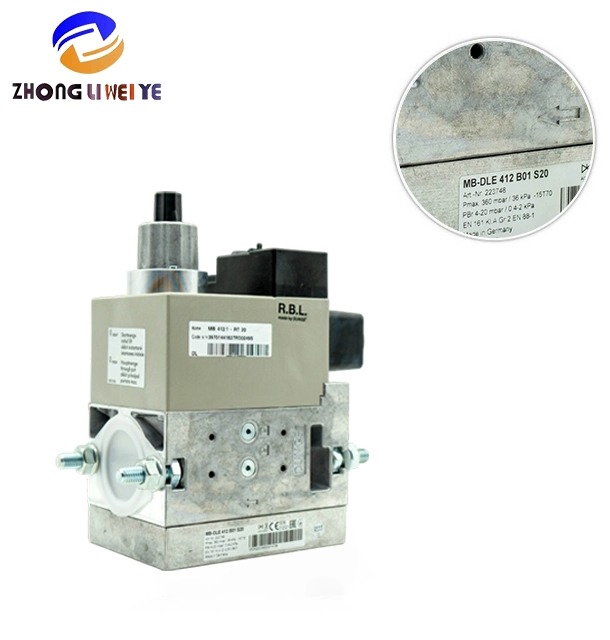
Before diving into the cleaning process, it's essential to gather the proper tools and materials. The following list outlines the necessary items to ensure a thorough and safe cleaning of your solenoid valve:
| Item | Purpose |
|---|---|
| Screwdrivers (flat/Phillips) | To remove screws and disassemble the valve. |
| Cleaning Solvent or Vinegar | To break down and dissolve mineral or grease buildup. |
| Soft Cloth or Rag | To wipe down parts without causing damage. |
| Brush (small or toothbrush) | For scrubbing hard-to-reach areas inside the valve. |
| Clean Water | To rinse the valve after cleaning. |
| Compressed Air or Blower | To dry parts thoroughly after cleaning. |
| Rubber Gloves | To protect your hands during disassembly and cleaning. |
Having these items ready before starting the cleaning process will make the procedure smoother and more efficient.
Before performing any maintenance or cleaning tasks, safety is paramount. First, disconnect the power supply to the solenoid valve to avoid any electrical hazards. If your system uses high-voltage equipment, ensure that it’s fully powered down.
Then, close the necessary isolation valves in your system to prevent any fluid or gas from flowing through the solenoid valve during the cleaning process. It’s crucial to ensure there’s no pressure or flow in the valve.
Once the power is off and the system is safely isolated, carefully disconnect the solenoid valve from the system. This may involve unscrewing the valve from its mounting bracket or piping. Keep track of any seals, washers, or other small components that may come off during disassembly.
If your solenoid valve is connected to plumbing or tubing, ensure that the connections are gently loosened without damaging any threads or components.
After removing the valve from the system, it’s time to disassemble it to gain access to the internal components. Depending on the design of the valve, you may need to unscrew or pry open the outer casing.
Carefully remove the solenoid coil (electromagnetic component), the plunger, spring, and any other internal components. Take note of how these parts are arranged, as proper reassembly is essential for the valve to function correctly.
Now that you have all the parts disassembled, it’s time to clean them individually.
Use a Cleaning Solvent: Apply a suitable solvent or vinegar solution to break down grease, oil, or mineral deposits inside the valve. Use a small brush to scrub any areas with stubborn buildup, such as the valve seat or plunger.
Clean the Solenoid Coil: Be cautious when cleaning the solenoid coil. Wipe it down with a dry cloth or a cloth dampened with a mild solvent. Avoid submerging the coil in liquid, as moisture can damage the electrical components.
Rinse Thoroughly: After cleaning, rinse the parts thoroughly with clean water to remove any remaining solvent or debris. It's crucial to ensure that no cleaning chemicals remain on the components.
Once the components are clean and dry, it's time to reassemble the valve. Carefully replace the plunger, spring, and other internal components in the correct order. Secure the outer casing and ensure that the valve is properly sealed to prevent leaks.
Before reinstalling the solenoid valve back into the system, it's a good idea to test the valve manually. Energize the solenoid and check if the valve opens and closes as expected. If everything operates smoothly, proceed with reinstalling the valve into the system.
A dirty or clogged solenoid valve can lead to several issues that compromise the functionality of your system. Some common problems include:
Inconsistent Flow Control: Debris or buildup inside the valve can cause inconsistent flow, leading to poor performance in systems that rely on precise flow control.
Valve Sticking or Jamming: If particles or scale clog the valve’s moving parts, it may stick or jam, preventing the valve from opening or closing properly.
Electromagnetic Failure: Solenoid coils can become clogged with dirt or dust, affecting the electromagnetic field necessary to open or close the valve.
Leaking: A poorly seated valve caused by accumulated debris can lead to leaks, which can impact system efficiency or safety.
Routine cleaning helps mitigate these issues and keeps your solenoid valve functioning at its best.
Preventing future buildup in your solenoid valve can save you time and effort in the long run. Here are some tips to minimize the risk of clogging and contamination:
Install Filters: Installing inline filters before the solenoid valve can capture debris and particles before they reach the valve.
Use Clean Fluids: Ensure that the fluids passing through the valve are clean and free of particulate matter. Regularly check the quality of the fluids.
Regular Maintenance: Set up a routine maintenance schedule to clean and inspect the solenoid valve periodically, especially in environments with high dust, moisture, or mineral buildup.
Use Proper Valve Selection: Make sure you’re using the right type of solenoid valve for your specific application. Some valves are designed to handle specific conditions, such as high-pressure systems or fluids with high viscosity.
In addition to cleaning, regular maintenance can prolong the life of your solenoid valve and ensure it works efficiently. Some helpful tips include:
Check for Leaks: Regularly inspect the valve for signs of leakage or corrosion. Replace damaged seals or parts immediately.
Inspect Electrical Components: Verify that the solenoid coil is working correctly by checking for electrical continuity and proper operation when energized.
Lubrication: In some cases, applying a small amount of appropriate lubricant to moving parts can reduce wear and prevent sticking.
By combining regular cleaning with routine maintenance, you’ll ensure your solenoid valve operates at peak efficiency for years to come.
Cleaning your solenoid valve is an essential part of maintaining the reliability and efficiency of your system. By following the steps outlined in this guide, you can ensure that your solenoid valve continues to operate smoothly, preventing common issues like valve sticking, leakage, and reduced performance. Regular cleaning and maintenance are key to extending the life of your solenoid valve, ultimately saving you money on repairs and replacements.
1. How often should I clean my solenoid valve?
It depends on the environment in which the valve is used. In clean systems, annual cleaning may suffice. However, in dusty or high-contamination environments, you may need to clean the valve every few months.
2. Can I clean the solenoid valve without disassembling it?
While it’s possible to perform surface cleaning without full disassembly, thorough cleaning typically requires disassembling the valve to clean all components properly.
3. What should I do if the solenoid valve is still malfunctioning after cleaning?
If cleaning does not resolve the issue, inspect the valve for damaged or worn components. If necessary, consult the manufacturer's guidelines or replace the valve.
4. Can I use vinegar to clean the solenoid valve?
Yes, vinegar is an effective natural solvent for cleaning solenoid valves, especially if you're dealing with mineral buildup or scale. Just make sure to rinse the components thoroughly afterward to remove any vinegar residue.