
Views: 215 Author: Site Editor Publish Time: 2025-12-23 Origin: Site


A burner oil pump plays a crucial role in the functioning of your home heating system. It ensures the proper flow of oil to the burner, allowing the system to operate efficiently. Over time, however, the burner oil pump can wear out or develop issues that require attention. Identifying the need for a replacement early can save you from costly repairs and uncomfortable heating disruptions.
This article will help you understand how to recognize when your burner oil pump is in need of replacement. By following the signs and diagnostic steps outlined here, you can ensure your heating system continues to work efficiently and safely.
Recognizing the symptoms of a malfunctioning burner oil pump can help you avoid bigger problems in the future. Below are the most common signs that your pump may need to be replaced.
One of the first signs that your burner oil pump may be failing is the presence of unusual noises. If you hear grinding, whining, or a consistent buzzing sound coming from your burner, it could indicate that the pump’s internal components are damaged or worn out. These noises typically occur when the pump is not operating smoothly, which can be a result of a blocked filter, air in the fuel line, or a malfunctioning motor.
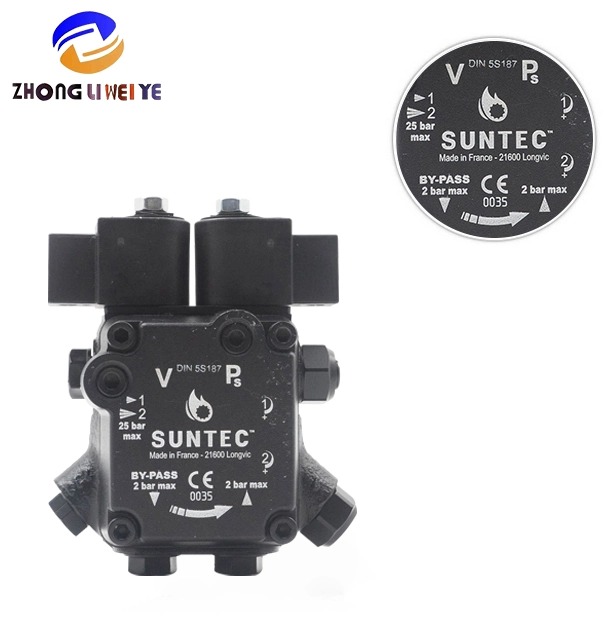
Another clear sign of pump trouble is when the burner struggles to maintain consistent oil flow. If your heating system seems to work intermittently, or if the flame flickers or dies out entirely, the oil pump may not be delivering the correct amount of oil. This could be caused by a clogged nozzle, a faulty pump, or low oil pressure.
In some cases, you might notice that the system takes longer to reach the desired temperature or heats inconsistently. If you’ve noticed these issues, a burner oil pump replacement could be necessary.
If your burner fails to start at all, this could be a sign that the burner oil pump is completely malfunctioning. The oil pump is responsible for feeding oil into the burner, and if it's unable to do so, the burner won’t ignite. In this case, the pump may need to be replaced.
A failed burner can also be the result of an air lock in the pump, which can occur if the oil level is low or the pump has become clogged. However, if cleaning and priming the system don’t resolve the issue, it’s likely that a replacement is needed.
If you’ve noticed that your heating system is consuming more oil than usual, it could indicate that the burner oil pump is not operating efficiently. A worn-out pump may cause the burner to work harder than necessary, leading to excess oil usage. This could result in higher heating bills and an increased frequency of oil delivery.
Increased oil consumption is a telltale sign that your burner is not running optimally and might require a new pump to restore efficiency.
Understanding the causes of burner oil pump failure can help you take proactive steps to avoid issues. Below are some of the most common reasons why a burner pump may need to be replaced:
Wear and Tear: Over time, the moving parts inside the pump can degrade, especially if the system has been in use for many years.
Clogged Filters: If filters become clogged with dirt and debris, it can reduce the efficiency of the pump, eventually causing it to fail.
Contaminated Fuel: Dirty or contaminated oil can damage the internal components of the pump, leading to malfunctions.
Improper Installation: If the pump was installed incorrectly, it may fail prematurely.
Lack of Maintenance: A lack of regular maintenance can lead to a buildup of dirt, grime, and debris in the pump, increasing the risk of failure.
Diagnosing a malfunctioning burner oil pump can be done with a few simple checks. Here are the primary steps to help you determine if your pump is the problem.
One of the first things to check is for any visible leaks around the pump and oil lines. A leaky pump or connections can significantly reduce the efficiency of your heating system. If you notice any oil stains or puddles around the pump, this may be a sign that the pump is deteriorating and needs replacement.
If you have a pressure gauge, check the oil pump pressure. The standard pressure for most burners is between 100 and 150 psi. If the pressure is significantly lower or higher than this, it could indicate a malfunctioning pump. If you are unable to achieve the recommended pressure, it may be time for a new pump.
Replacing a malfunctioning burner oil pump before it fails completely offers several benefits:
Enhanced Efficiency: A new pump will ensure your heating system operates at peak efficiency, reducing fuel consumption and lowering heating costs.
Extended System Life: Replacing a worn-out pump can prevent further damage to your burner and other system components, extending the overall life of your heating system.
Improved Comfort: A properly functioning pump ensures consistent heating, providing you with the warmth you need during the colder months.
Reduced Repair Costs: Timely pump replacement can prevent more expensive repairs down the line, such as damage to the burner or heat exchanger.
If you’re comfortable with DIY repairs and have the proper tools, replacing a burner oil pump can be a straightforward task. Here's a simple guide:
New burner oil pump
Wrench set
Oil filter
Oil line tools
Screwdrivers
Replacement gaskets
Turn Off the Power: Ensure that the heating system is completely turned off and disconnected from the power source.
Disconnect the Oil Lines: Use a wrench to loosen the oil lines connected to the old pump. Be sure to have a container ready to catch any excess oil.
Remove the Old Pump: Unscrew the bolts securing the pump and carefully remove it from the burner.
Install the New Pump: Position the new burner oil pump in place and secure it with the bolts.
Reconnect the Oil Lines: Attach the oil lines to the new pump, making sure they are tightly secured to avoid leaks.
Prime the System: Before turning the burner back on, prime the system to remove any air pockets in the oil lines.
Test the Burner: After reassembling the system, turn the power back on and check if the burner operates correctly.

Choosing the correct replacement burner oil pump is crucial to ensure proper functioning and longevity. When selecting a new pump, consider the following factors:
Compatibility: Ensure that the replacement pump is compatible with your specific burner model.
Quality: Opt for high-quality, durable pumps to minimize the need for frequent replacements.
Brand Reputation: Choose pumps from reputable manufacturers that offer reliable customer service and warranties.
Pressure Rating: Make sure the new pump meets the required pressure specifications for your system.
Some popular brands for burner oil pumps include:
Beckett
Riello
Carlin
Wayne
Check with your local supplier or technician for recommendations based on your burner’s specifications.
Your burner oil pump is an essential part of your heating system, and recognizing when it needs to be replaced can prevent unnecessary stress and cost. By keeping an eye out for the common signs of failure—such as unusual noises, inconsistent oil flow, or a burner that won't start—you can take action before the situation becomes critical.
Regular maintenance and prompt replacement of a failing pump will help maintain the efficiency of your heating system, reduce repair costs, and ensure your home stays warm throughout the colder months.
Q1: How long do burner oil pumps last?
The lifespan of a burner oil pump depends on usage, maintenance, and the quality of the pump. On average, they last 5 to 10 years.
Q2: Can I replace my burner oil pump myself?
Yes, if you have the right tools and experience, you can replace the pump yourself. However, if you're unsure, it's best to call a professional technician.
Q3: What happens if I ignore a failing burner oil pump?
Ignoring a failing pump can lead to more severe problems, such as a total burner failure, higher oil consumption, and potential damage to other system components.
Q4: How often should I service my burner oil pump?
It's recommended to have your burner oil pump inspected annually during regular heating system maintenance.
Q5: Can a clogged filter cause the pump to fail?
Yes, a clogged filter can restrict oil flow, causing the pump to work harder and potentially fail over time. Regular filter cleaning is essential to prevent this.