lucy@zlwyindustry.com
+86-158-1688-2025
Please Choose Your Language
- All
- Product Name
- Product Keyword
- Product Model
- Product Summary
- Product Description
- Multi Field Search

Views: 223 Author: Site Editor Publish Time: 2025-12-02 Origin: Site


Selecting the right burner fittings is not a minor equipment choice—it is a foundational decision that defines the functionality, safety, and long-term reliability of any heating or combustion system. Burner fittings serve as the connection points, control mechanisms, and structural components that allow fuel, air, and flame to work together with precision. A poorly matched fitting can compromise efficiency, escalate operating costs, introduce serious safety risks, and reduce the lifespan of critical system components. This article examines the importance of choosing the right burner fittings for your system, offering in-depth guidance on compatibility, performance factors, material considerations, and strategic selection practices that support dependable, long-term operations.
Burner fittings are more than simple connectors; they are engineered components designed to regulate and stabilize fuel delivery, air-to-fuel ratios, and burner output. Their design and compatibility directly influence how consistently a system performs under varying loads and environmental conditions. When burner fittings are properly selected, they ensure seamless integration between the fuel source, piping, burner body, and control mechanisms, ultimately producing a clean, stable flame. Conversely, mismatched or low-quality fittings introduce restrictions, turbulence, and inconsistency in the fuel flow—problems that often reveal themselves through irregular burning patterns, excess fuel consumption, or increased emissions.
| Role of Burner Fittings | Impact on System |
|---|---|
| Fuel flow control | Determines flame stability and heat output |
| Air-fuel mixing compatibility | Affects combustion efficiency |
| System integration | Prevents leaks and operational failures |
| Material durability | Extends lifespan of burner components |
Because burner systems are designed with precise tolerances, even small deviations in fitting selection can lead to measurable performance declines. Understanding their strategic role allows operators, engineers, and facility managers to approach system design with greater awareness and long-term foresight.
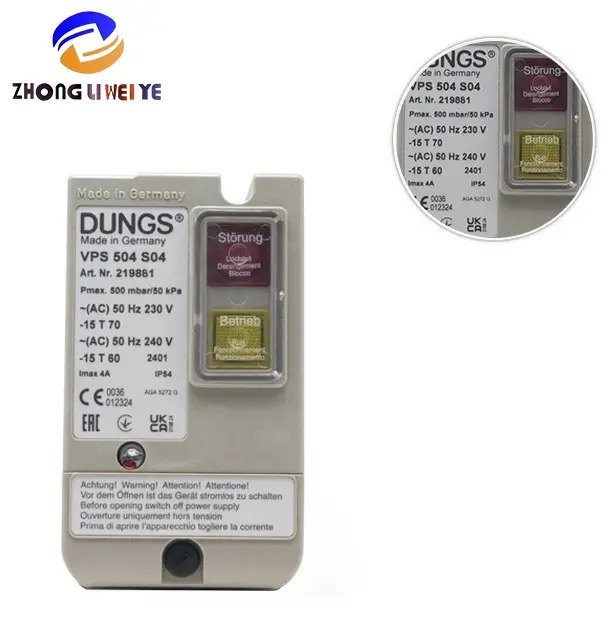
Efficiency is a core concern for any heating system, and burner fittings directly shape how effectively fuel energy is converted into usable heat. When burner fittings are correctly sized and appropriately matched to the burner configuration, they enable optimal fuel delivery with minimal pressure fluctuations. A stable feed ensures consistent combustion, reducing the amount of fuel required to maintain a given temperature. Over time, these efficiency gains translate into lower operational costs and reduced wear on system components.
In contrast, unsuitable burner fittings can create bottlenecks, turbulence, or uneven mixing, forcing the burner to work harder to maintain performance. This often leads to increased fuel consumption, excessive heat losses, and unnecessary strain on the system. Modern burner installations, especially those used in industrial, HVAC, and manufacturing environments, rely heavily on precise fuel control. Burner fittings that align with the system’s performance parameters help sustain efficiency, maintain environmental compliance, and reduce the likelihood of thermal waste.
| Efficiency Factor | How Burner Fittings Impact It |
|---|---|
| Fuel consumption | Correct sizing reduces unnecessary burn rate |
| Flame stability | Proper fittings ensure balanced fuel-air delivery |
| Heat transfer | Consistent combustion supports smoother output |
| System longevity | Reduced strain preserves internal components |
For organizations aiming to optimize energy efficiency, selecting high-performance burner fittings becomes one of the most cost-effective upgrades available.
Safety is one of the most significant reasons to choose the right burner fittings. Since burner systems involve pressurized fuel, ignition sources, and high operating temperatures, even minor installation errors or incompatibility can result in dangerous operating conditions. Proper burner fittings help prevent leaks, backflow, flashbacks, and pressure irregularities—all of which can pose serious hazards in industrial and commercial environments.
The right fittings also ensure that the system remains compliant with fire safety regulations, equipment certifications, and building codes. Many regulatory frameworks require specific fitting materials, pressure ratings, or flame-resistant designs to minimize risks. When burner fittings are selected with these factors in mind, they create a safe operating environment that protects personnel, equipment, and facilities.
Inadequate or mismatched fittings can lead to issues such as fuel vaporization, thermal expansion stress, or poor sealing—all precursors to safety incidents. Ensuring the right choice, therefore, is not only about performance but also about maintaining a secure and controlled system.
Selecting burner fittings requires careful evaluation of material types, thermal resistance, corrosion tolerance, and compatibility with the fuel being used. Different environments, burner models, and operating temperatures demand different material behaviors. For example, fittings intended for natural-gas systems may differ significantly from those used in heavy-oil or biofuel burners. Stainless steel fittings offer excellent corrosion resistance and high-temperature strength, making them a common choice for harsh industrial environments, while brass fittings are often preferred for lighter applications due to their excellent machinability and consistent sealing properties.
Material compatibility with the burner’s operating temperature is crucial. Fittings exposed to sustained high heat must maintain structural integrity without warping, cracking, or losing pressure-holding capability. Additionally, fuel type influences material choice because certain fuels interact differently with metals and seals. By choosing fittings that match both the material and performance specifications of the system, users ensure long-term reliability and reduce the need for premature replacements.
Precision engineering is essential when selecting burner fittings. Each fitting must match exact dimensions, thread patterns, and pressure tolerances to achieve proper sealing and secure installation. Even slight discrepancies in size or threading can cause difficulty during installation or lead to leaks, pressure drops, or misalignment of critical system components.
Sizing also plays a key role in maintaining performance stability. A fitting that is too small restricts fuel flow and creates unnecessary back-pressure, while an oversized fitting may lead to unstable flame formation or fuel inefficiency. When burner fittings are precisely sized and manufactured according to the burner’s specifications, they ensure smooth transitions between components and consistent burner output.
Performance stability is particularly important in systems that operate continuously or under varying load conditions. High-precision burner fittings allow the system to adapt without fluctuations in flame quality or energy output. This results in improved reliability, smoother system operation, and better long-term performance.
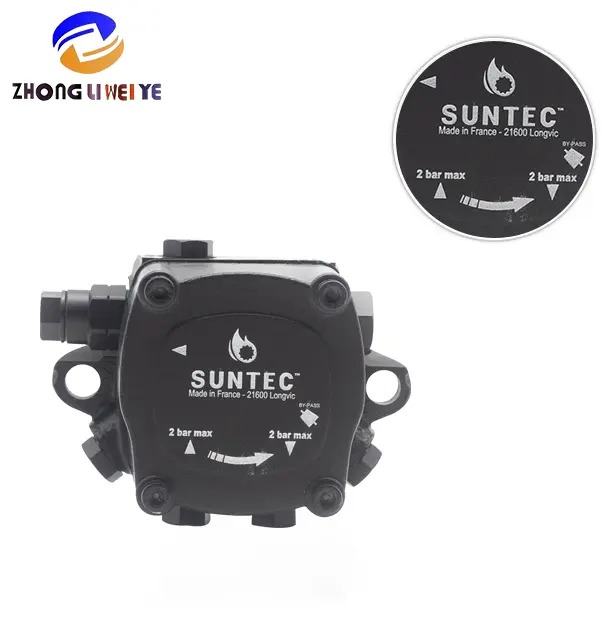
The cost differences between proper and improper burner fittings extend far beyond the initial purchase price. Installing incorrect fittings can lead to increased fuel consumption, accelerated wear and tear, unnecessary maintenance, and potential safety issues—all of which carry significant long-term expenses. For example, a small leak caused by an incompatible fitting can lead to shutdowns, costly repairs, or regulatory penalties. Additionally, inefficiencies created by poor fitting selection can inflate operational costs over the lifespan of the system.
Correct burner fittings, although sometimes more expensive upfront, help reduce these long-term expenses by optimizing performance and minimizing system strain. The financial benefits include lower fuel bills, extended equipment life, fewer emergency repairs, and improved operational continuity. When viewed from a lifecycle cost perspective, investing in high-quality, system-appropriate burner fittings provides measurable economic advantages.
Choosing the right supplier is just as important as choosing the right burner fittings. Reliable suppliers offer certified, quality-assured components that meet industry standards and fit precisely within the system’s requirements. They also provide technical support, documentation, and expert guidance that help users make informed decisions. Reputable suppliers typically subject their fittings to rigorous testing, ensuring consistent performance and compliance with safety regulations.
Suppliers should also have a proven track record in delivering burner components for similar applications. Experience with your specific industry—whether manufacturing, HVAC, food processing, or power generation—ensures that recommended fittings align with real-world demands. Additionally, a reliable supplier provides transparency regarding materials, certifications, pressure ratings, and compatibility details. These practices reduce the likelihood of system issues and help ensure long-term operational success.
The importance of choosing the right burner fittings for your system cannot be overstated. These components play a central role in the performance, efficiency, safety, and longevity of any burner installation. From ensuring stable combustion to supporting regulatory compliance, burner fittings influence nearly every aspect of system operation. By selecting fittings that match your system’s requirements in material, size, pressure rating, and design, you establish the foundation for efficient, safe, and cost-effective performance. Investing in high-quality burner fittings and working with reputable suppliers is a critical step toward maximizing equipment reliability and achieving optimal long-term results.
Q1: What are burner fittings, and why are they important?
Burner fittings are connection components that regulate fuel flow, ensure proper sealing, and support stable combustion. They are essential for system efficiency, safety, and performance.
Q2: How do I know which burner fittings are compatible with my system?
Compatibility depends on burner model specifications, fuel type, operating pressure, temperature requirements, and material selection. Consulting manufacturer guidelines or an experienced supplier is the best approach.
Q3: Can choosing the wrong burner fittings reduce efficiency?
Yes. Incorrect fittings can restrict fuel flow, affect flame stability, cause leaks, or create imbalance in air-fuel mixtures, all of which reduce system efficiency.
Q4: Are stainless steel burner fittings better than brass?
Stainless steel offers greater heat and corrosion resistance, while brass is easier to machine and suitable for lighter-duty applications. The choice depends on your system’s operating environment and fuel type.
Q5: How often should burner fittings be inspected or replaced?
Inspection frequency depends on operating hours, fuel type, and environmental conditions, but most systems benefit from quarterly inspections and replacement as soon as wear, corrosion, or leakage appears.