
Views: 312 Author: Site Editor Publish Time: 2025-12-04 Origin: Site


Burner fittings form the backbone of industrial thermal systems, enabling factories, processing facilities, and power-generation plants to deliver controlled, efficient, and safe heat. As industries continue to push for greater productivity and stricter emissions compliance, the demand for high-quality burner fittings has never been more important. These components are essential for stabilizing fuel flow, ensuring reliable ignition, optimizing combustion, and protecting equipment against operational stresses. This article explores the top burner fittings used in industrial applications today, highlights the criteria that make each fitting suitable for demanding environments, and offers actionable guidance for selection and maintenance.
Burner fittings are precision-engineered components that support the safe delivery, mixing, and regulation of fuel within high-temperature systems. In modern industrial operations—such as metal foundries, petrochemical plants, food processing facilities, and glass manufacturing—burner fittings ensure stable flame characteristics, reduce the risk of leaks, and maintain compliance with fuel-handling standards. These components connect supply lines, stabilize pressure, and channel fuel to the burner head, making them a critical link between upstream fuel infrastructure and combustion equipment. Without the correct burner fittings, industries face increased downtime, energy inefficiency, and system damage due to irregular fuel distribution or excessive wear.

Industrial burner systems rely on a diverse range of burner fittings, each designed to perform a precise function under high stress. Proper selection ensures optimal fuel flow, reduced maintenance requirements, and stable combustion. The most widely used burner fittings include nozzles, injector tips, elbows, unions, adaptors, and manifolds. Nozzles shape the fuel spray pattern for efficient mixing; injector tips meter fuel delivery; elbows and unions allow directional changes without leaks; and manifolds distribute fuel uniformly across multiple burners. Choosing the right fittings for each system configuration prevents turbulence, maintains uniform temperature profiles, and supports energy-efficient operation across industrial applications.
| Burner Fitting Type | Primary Function | Typical Industrial Use |
|---|---|---|
| Nozzles | Shapes and directs fuel spray | Boilers, rotary kilns |
| Injector Tips | Controls precise fuel metering | Chemical and food processing |
| Swivel Unions | Allows angle adjustments | High-flexibility systems |
| Elbows & Adaptors | Manage directional flow | Furnaces, heat-treatment lines |
| Fuel Manifolds | Distribute fuel evenly | Multi-burner installations |
The material composition of burner fittings directly influences their durability, heat resistance, and compatibility with various fuels. Industrial systems routinely expose fittings to thermal cycling, corrosive gases, and particulate-containing fuels. As a result, materials such as stainless steel, carbon steel, brass, and high-nickel alloys are commonly used for burner fittings. Stainless steel offers an excellent balance of corrosion resistance and structural strength, making it suitable for high-temperature combustion environments. High-nickel alloys are ideal for systems that use aggressive fuels or operate at extreme temperatures, such as thermal incinerators and petrochemical burners. Proper material selection not only extends service life but also ensures consistent combustion performance during prolonged industrial use.
| Material | Benefits | Typical Limitations |
|---|---|---|
| Stainless Steel | Corrosion resistance, longevity | Higher cost |
| Carbon Steel | Affordable, strong | Moderately corrosion-prone |
| Brass | Easy to machine, leak-resistant | Lower heat tolerance |
| High-Nickel Alloys | Extreme heat performance | Expensive, harder to fabricate |
Selecting the top burner fittings for industrial applications requires evaluating several technical performance factors. Pressure tolerance, temperature stability, flow characteristics, and compatibility with fuel type all contribute to system reliability. Burner fittings must maintain their structural integrity under continuous exposure to heat and vibration, while also maintaining tight seals to prevent fuel leaks. Facilities that use gas fuels require fittings with precision flow-control capabilities, whereas oil-fired burners demand fittings with optimal spray-pattern consistency. Additionally, high-efficiency industrial heating systems depend on fittings that minimize pressure drops and support consistent combustion conditions. Prioritizing these factors ensures the burner delivers maximum output while meeting safety and efficiency standards.
Different industrial sectors impose unique requirements on burner fittings due to variations in fuel type, heat output demands, environmental regulations, and operating cycles. In the petrochemical industry, fittings must withstand aggressive hydrocarbons and maintain leak-free performance under fluctuating loads. In metal processing, burner fittings are exposed to extreme radiant heat and thermal shock, requiring reinforced alloys and robust sealing mechanisms. Food processing facilities, on the other hand, rely on fittings that ensure clean, contamination-free combustion. Power-generation plants require burner fittings capable of supporting high-capacity burner arrays with minimal flow deviation. Understanding the specific demands of each industry enables buyers to select the most appropriate burner fittings for long-term, reliable operation.
Proper installation and maintenance of burner fittings are essential for achieving consistent performance and preventing equipment failures. During installation, technicians should verify alignment, inspect sealing surfaces, and ensure compatibility between fittings and fuel lines. Torque specifications must be followed precisely to avoid stress fractures or incomplete sealing. Once installed, burner fittings require routine inspections to detect wear, corrosion, or buildup that may obstruct fuel flow. Regular cleaning of nozzles and injector tips helps maintain optimal spray patterns, while periodic replacement of seals and gaskets minimizes leak risks. A proactive maintenance schedule extends the lifespan of burner fittings and keeps industrial systems operating smoothly, reducing unplanned downtime and repair costs.
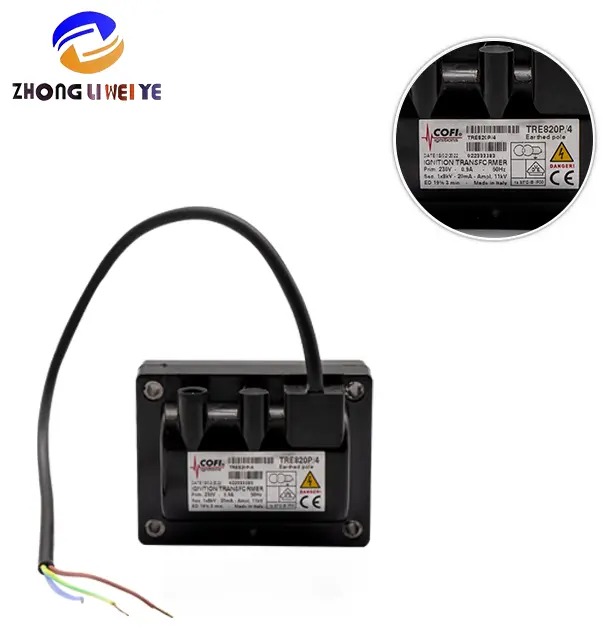
Recent advancements in materials engineering, manufacturing precision, and digital monitoring have transformed the design and capabilities of burner fittings. High-temperature ceramics are emerging as alternatives to traditional metals, offering improved thermal stability for specialized applications. Additive manufacturing now allows manufacturers to create burner fittings with optimized internal geometries that improve fuel distribution and reduce turbulence. Smart burner fittings equipped with embedded sensors can monitor real-time temperature, pressure, and flow metrics, enabling predictive maintenance and reducing energy waste. These innovations allow businesses to enhance efficiency, improve safety, and comply with increasingly demanding environmental standards.
Top burner fittings for industrial applications are essential for achieving safe, efficient, and reliable combustion across a wide range of operational environments. By understanding the types of burner fittings available, evaluating material and performance requirements, and implementing proper installation and maintenance strategies, industrial stakeholders can significantly enhance system efficiency and equipment longevity. As burner fitting technology continues to advance, industries stand to benefit from greater combustion precision, reduced downtime, and improved compliance with environmental standards.
1. What are burner fittings?
Burner fittings are components used to control, direct, and regulate fuel flow in industrial burner systems, ensuring safe and efficient combustion.
2. Which material is best for high-temperature burner fittings?
High-nickel alloys and stainless steel perform exceptionally well in extreme heat and corrosive environments.
3. How often should burner fittings be inspected?
Most industrial systems benefit from monthly visual inspections and comprehensive quarterly maintenance.
4. Can burner fittings improve energy efficiency?
Yes. Properly selected and maintained burner fittings enhance fuel distribution and reduce wasteful combustion behavior.
5. Are smart burner fittings worth the investment?
For facilities with high fuel consumption or strict uptime requirements, sensor-enabled fittings provide valuable monitoring and predictive maintenance benefits.