lucy@zlwyindustry.com
+86-158-1688-2025
Please Choose Your Language
- All
- Product Name
- Product Keyword
- Product Model
- Product Summary
- Product Description
- Multi Field Search

Views: 186 Author: Site Editor Publish Time: 2025-12-05 Origin: Site


Understanding the Role of Burner Fittings in Heating Systems
Managing Overheating and Thermal Stress Around Burner Fittings
Best Practices for Maintenance and Replacement of Burner Fittings
Burner fittings play a critical role in the performance, safety, and reliability of residential, commercial, and industrial heating systems. When these components malfunction, symptoms such as inconsistent flames, gas leaks, ignition delays, or unusual noises often trace back to the fittings responsible for regulating gas flow, sealing connections, and supporting stable combustion. Understanding how these problems arise—and how to resolve them effectively—is essential for technicians, facility managers, and anyone responsible for fuel-burning appliances.
Burner fittings include a wide range of components—connectors, nozzles, valves, couplings, adapters, and seals—that help deliver fuel from supply lines to the burner assembly. They regulate flow rate, maintain pressure stability, and prevent leakage under varying temperature and load conditions. When any of these elements degrade or function improperly, the burner can no longer maintain correct combustion characteristics. Poor flame patterns, backfires, and high fuel consumption often originate from faults hidden within these fittings.
In heating systems operating with natural gas, propane, diesel, or mixed fuels, burner fittings maintain the tight tolerances required for efficient burner output. Their performance impacts ignition reliability, emissions quality, heat distribution, and safety compliance. By understanding how burner fittings interact with the combustion process, professionals can troubleshoot system failures more precisely and reduce downtime and maintenance costs.
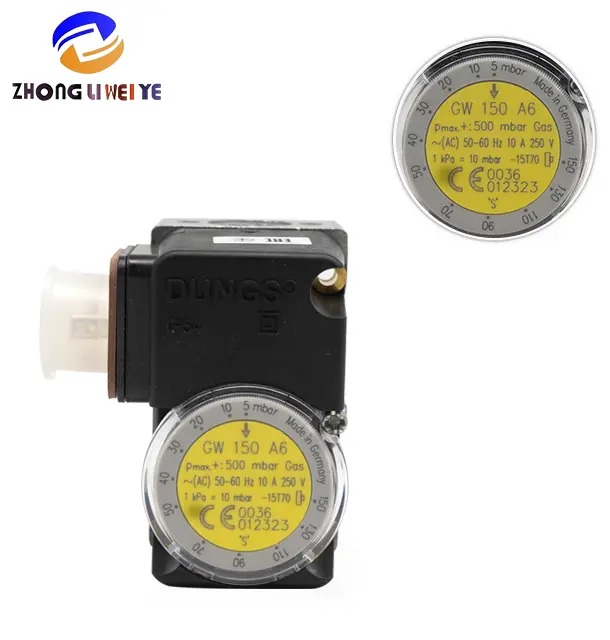
Gas flow issues represent some of the most frequent problems caused by worn, obstructed, or incorrectly sized burner fittings. When gas cannot reach the burner at the required pressure or volume, flame instability, unexpected shutdowns, and reduced heat output become immediately noticeable.
To troubleshoot gas flow irregularities, start by checking for partial blockages caused by debris, rust flakes, oil residue, or insects. These obstructions can accumulate inside fittings, particularly in outdoor or seldom-used systems. Next, verify that each fitting is appropriately sized for the burner’s BTU rating—undersized fittings restrict flow, while oversized fittings produce erratic gas delivery. Pressure drops across the system can also indicate loose connections or micro-leaks. In high-demand applications, thermal expansion may distort threads or compromise seal integrity.
Technicians should record baseline pressure readings and compare them to system specifications. If readings fluctuate, testing individual fittings for internal damage is essential. Replacing defective or incompatible burner fittings restores proper gas flow and eliminates excessive strain on regulators and burners.
Table 1: Common Causes of Gas Flow Irregularities and Corrective Actions
| Issue in Burner Fittings | Typical Cause | Corrective Action |
|---|---|---|
| Low gas pressure | Undersized fittings or internal blockages | Replace fittings; clean internal passages |
| Fluctuating flow | Loose threads or damaged seals | Tighten or reseal connections |
| Delayed burner response | Excessive line restrictions | Reconfigure fittings for correct sizing |
Ignition failures often seem like electrical or control system problems, but burner fittings are frequently the underlying cause. When fuel cannot reach the igniter at a stable rate, the spark or pilot flame fails to ignite the mixture consistently. This increases wear on ignition components and leads to repeated lockouts or misfires.
Inspecting fittings for narrowing, partial clogging, or misalignment is a priority. Ignition systems depend on an accurate fuel-air ratio, and even small irregularities can cause weak flame initiation. Misaligned burner fittings may spray fuel unevenly, preventing proper mixing. In dual-fuel systems, incorrect adapters or converters can disrupt ignition behavior entirely.
Technicians should evaluate the seating and alignment of all fittings upstream of the igniter. If ignition remains inconsistent, examining the fittings for signs of thermal fatigue or vibration-induced loosening is necessary. Replacing worn fittings and ensuring precise alignment usually resolves ignition failures quickly and improves burner cycle performance.
Gas leaks around burner fittings pose significant safety hazards, increase operating costs, and degrade combustion efficiency. Most leaks occur due to damaged threads, deteriorated sealing materials, improper installation torque, or corrosion. Even small leaks can disrupt pressure regulation and cause burner instability.
When troubleshooting leaks, use approved leak-detection solutions or electronic gas sensors. Start at the supply line and move toward the burner, checking each fitting carefully. If bubbles form or a sensor registers gas concentration, the fitting must be tightened, resealed, or replaced. In high-temperature environments, thermal cycling can loosen connections over time, especially where steel and brass fittings are combined.
Technicians must also examine O-rings, gaskets, and thread sealants used in burner fittings. Over-application of sealant can cause clogging and flow restriction, while under-application leads to gas seepage. Proper installation procedures, torque settings, and material compatibility are essential to long-term leak prevention.
Table 2: Signs of Leaks and Required Action
| Symptom | Likely Related Issue | Recommended Fix |
|---|---|---|
| Smell of gas | Damaged threads | Replace fitting |
| Hissing sound | Loose connection | Tighten and reseal |
| Flame irregularities | Pressure loss from micro-leaks | Inspect entire fitting chain |
Incomplete combustion is heavily influenced by the condition of burner fittings. When fittings introduce gas unevenly or restrict airflow, the burner develops yellow flames, soot deposits, and excess carbon monoxide. This problem increases maintenance needs and significantly impacts safety compliance.
Begin by assessing whether fittings are delivering fuel uniformly across the burner face. Nozzles, orifices, and adapters are common choke points for soot-causing restrictions. If the burner design includes multiple flame ports, any obstruction within a fitting can cause uneven distribution that leads to hot spots and dirty combustion.
Cleaning internal passages and replacing damaged fittings helps restore proper fuel-air ratios. Additionally, technicians should confirm that fittings are compatible with the fuel type—incorrect materials or outdated components may warp or oxidize, affecting flow geometry. Ensuring that burner fittings remain clean, correctly sized, and free of internal damage prevents soot buildup and maintains efficient system operation.
Overheating occurs when burner fittings are exposed to temperatures beyond their rated capacity. High thermal loads cause metal fatigue, warping, and seal breakdown. In severe cases, fittings may crack, leak, or detach from the burner assembly, creating immediate hazards.
To troubleshoot overheating, inspect fittings for discoloration, surface scaling, and distortions. These symptoms indicate prolonged exposure to excessive heat. Examine whether heat shields or insulation components are missing or installed incorrectly. Thermal expansion can loosen threaded connections, so evaluate torque levels and thread integrity.
Choosing burner fittings made from high-temperature alloys or incorporating heat-resistant seals helps reduce future risk. Adjusting burner alignment, correcting flame impingement issues, and maintaining proper airflow prevent fittings from overheating and extend operational life.
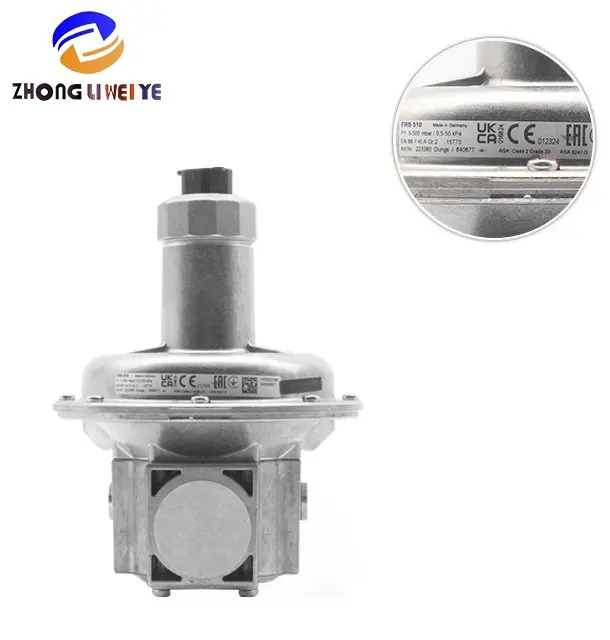
Corrosion and mechanical wear are long-term threats to burner fittings, especially in environments exposed to moisture, chemical vapors, or fuel impurities. Corroded fittings weaken structural integrity and compromise pressure containment. Likewise, abrasion from fuel contaminants can enlarge or deform orifices, altering combustion behavior.
Troubleshooting corrosion involves checking metal surfaces for pitting, rust, or discoloration. Brass, stainless steel, and coated steel fittings each respond differently to corrosive environments; therefore, matching material selection to operating conditions is crucial. Wear issues often appear as widened orifices, rough internal surfaces, or thread degradation.
Replacing severely worn or corroded fittings is the safest solution. In corrosive applications, upgrading to higher-grade materials or protective coatings dramatically increases service life. Regular inspections help detect early signs of degradation and prevent costly downtime or hazardous failures.
Proactive maintenance prevents most burner fitting failures and supports stable burner performance. Establishing a structured inspection routine helps identify early signs of blockage, misalignment, corrosion, or leakage. Record pressure readings, flame conditions, ignition performance, and fitting temperatures during each service cycle.
For cleaning, use non-abrasive tools and approved solvents to remove soot, debris, or oil. Avoid excessive force while handling fittings to prevent thread damage. Replacement should be immediate for any fittings showing cracks, stripped threads, warping, or internal obstruction. Moreover, using OEM-approved fittings ensures correct sizing and compatibility.
Technicians should also maintain proper torque values and apply sealants that match temperature and fuel characteristics. By adhering to best practices, burner fittings remain reliable, efficient, and safe throughout their service life.
Burner fittings are fundamental to safe and efficient combustion in heating systems. When these components fail, symptoms such as leaks, ignition issues, soot formation, and overheating often emerge. Troubleshooting these problems requires a deep understanding of how burner fittings regulate fuel flow, maintain pressure, and support flame stability. By identifying early warning signs, performing targeted inspections, and applying best-practice repair methods, technicians can resolve common issues quickly and prevent future failures. High-quality fittings, proper installation, and routine maintenance ensure long-term burner reliability and optimal system performance.
1. How often should burner fittings be inspected?
Burner fittings should be inspected at least once per year, or more frequently in high-duty or industrial applications where thermal cycling and wear occur at faster rates.
2. What materials are best for burner fittings?
Stainless steel and brass are commonly preferred, while high-temperature alloys may be necessary for intense industrial heat exposure.
3. Can blockages inside burner fittings be repaired?
Minor debris can be cleaned, but severe distortions, corrosion, or internal damage typically require replacement.
4. Why do burner fittings loosen over time?
Repeated thermal expansion and vibration gradually reduce torque on threaded connections. Routine tightening and inspection prevent leaks and pressure issues.
5. Are universal burner fittings recommended?
It is always safer to use fittings specific to the burner’s make and model to ensure correct flow characteristics and safe operation.