
Views: 250 Author: Site Editor Publish Time: 2025-12-26 Origin: Site


Damper actuators play a crucial role in the operation of heating, ventilation, and air conditioning (HVAC) systems, industrial machinery, and energy-efficient buildings. These devices help control the flow of air or fluids by adjusting dampers in ventilation ducts, chimneys, and other air-exchange systems. The functionality and efficiency of a damper actuator directly impact system performance, energy consumption, and indoor air quality. This article will delve deep into the specific role of damper actuators, their types, applications, and why they are essential in modern systems. Whether you’re an engineer, technician, or building manager, understanding how these components work can help improve system reliability and efficiency.
A damper actuator is a device used to control a damper's position. The damper itself is a mechanical component that adjusts the flow of air or gas through a duct, pipe, or other channels. Actuators are typically controlled by an electronic, pneumatic, or hydraulic system and can vary in design depending on the application.
The actuator uses a mechanical force to move the damper from an open or closed position or adjust it to a particular angle. This is critical for optimizing airflow, regulating temperature, reducing noise, and maintaining energy efficiency.
In HVAC systems, for instance, damper actuators are essential for controlling airflow to ensure the proper distribution of heated or cooled air throughout a building, contributing to overall energy savings and comfort.
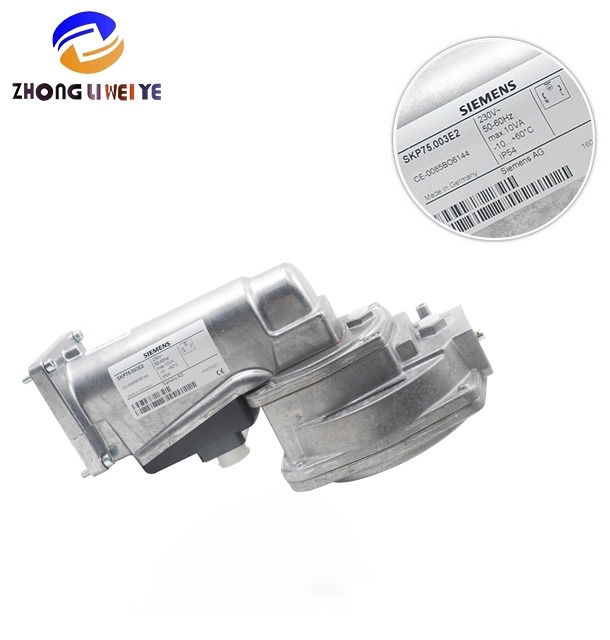
A damper actuator operates based on a simple mechanical principle: it uses a driving force to move the damper into the desired position. The actuator receives a signal—often from a thermostat or control system—that tells it to open, close, or adjust the damper to a specific angle. This signal can come in several forms:
Electric Signals: In electric actuators, an electric motor drives the actuator, which moves the damper based on commands from the control system.
Pneumatic Pressure: Pneumatic actuators use air pressure to move the damper, typically found in larger industrial systems.
Hydraulic Pressure: In hydraulic systems, fluid pressure is used to drive the actuator, making it suitable for heavy-duty applications.
The actuator’s response to these signals results in smooth, precise control of airflow, pressure, and temperature in the system.
Key components in a typical damper actuator setup include:
The actuator body – which houses the motor, gears, or pneumatic/hydraulic components.
The damper blade – which adjusts the airflow.
Control sensors – that send feedback to the actuator about the system's current status.
This precise control helps prevent energy waste, maintain system efficiency, and improve air quality.
Damper actuators come in various forms, each with unique features designed for specific applications. Below are the three most common types of actuators:
Electric damper actuators are the most widely used type, particularly in residential and commercial HVAC systems. These actuators use an electric motor to adjust the position of the damper. Electric actuators are highly reliable, easy to integrate into automated systems, and can be precisely controlled through simple electrical signals.
Advantages:
Precise control over airflow
Simple installation
Compatible with smart systems
Disadvantages:
Requires a power source
May need regular maintenance to ensure motor efficiency
Pneumatic damper actuators use compressed air to operate the damper. These actuators are common in industrial and heavy-duty applications, especially where electrical systems may be hazardous or impractical. Pneumatic actuators are reliable and work well in environments with fluctuating temperatures or high humidity.
Advantages:
Reliable in harsh environments
Simple to maintain
Well-suited for large-scale industrial systems
Disadvantages:
Requires an air supply
Less precise than electric actuators
Hydraulic damper actuators are typically used in heavy-duty applications such as large industrial plants or machines requiring high force to operate the damper. These actuators use fluid pressure to move the damper and are well-suited for systems that require greater torque or force.
Advantages:
High force output
Suitable for high-demand industrial applications
Disadvantages:
Requires a hydraulic fluid system
Can be complex and costly to maintain
Damper actuators are found in a variety of systems and industries. Here are some of their most common applications:
HVAC Systems: Damper actuators control the airflow within heating and cooling systems, ensuring optimal temperature and air quality.
Fire Safety Systems: In fire prevention, damper actuators help close ducts during a fire to prevent the spread of smoke.
Industrial Processes: Many industrial applications use damper actuators to regulate the flow of gases, liquids, or particulates in processing equipment.
Energy Efficiency: Damper actuators play a vital role in optimizing the energy use of ventilation and heating systems by controlling air volume and pressure.
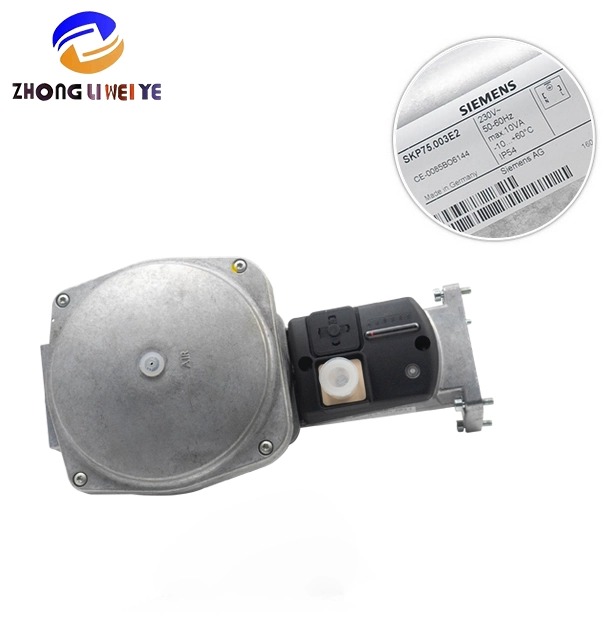
In HVAC systems, damper actuators are particularly vital for managing the distribution of airflow. These actuators help balance temperature zones and ensure that air conditioning and heating units are operating efficiently. Without proper airflow control, HVAC systems would be inefficient, leading to increased energy consumption and reduced comfort.
Key Benefits in HVAC:
Energy Efficiency: By controlling airflow precisely, damper actuators help maintain optimal system efficiency.
Temperature Control: Dampers ensure even distribution of cool or warm air throughout a building, maintaining consistent comfort.
Improved Air Quality: Proper airflow management can improve air exchange and prevent contamination.
Selecting the right damper actuator depends on several factors, including the type of system, the scale of the application, and specific operational requirements. When choosing a damper actuator, consider:
Actuator Type: Electric, pneumatic, or hydraulic—each has different benefits depending on your system.
Torque Requirements: Different dampers require different amounts of force to operate. Ensure the actuator can meet these demands.
Integration with Control Systems: Ensure the actuator is compatible with your building’s existing HVAC or industrial control systems.
Table: Comparing Damper Actuator Types
| Type | Power Source | Application | Advantages | Disadvantages |
|---|---|---|---|---|
| Electric Damper Actuators | Electricity | Residential & commercial HVAC | Precise control, simple to install | Requires electrical power |
| Pneumatic Damper Actuators | Compressed Air | Industrial systems, fire safety | Reliable in harsh conditions | Requires air supply, less precise |
| Hydraulic Damper Actuators | Hydraulic Fluid | Heavy-duty industrial systems | High force output, robust | Complex maintenance, requires fluid |
Regular maintenance is crucial for ensuring the longevity and performance of damper actuators. Here are some common maintenance tips:
Inspect for Wear and Tear: Check the actuator and damper for signs of wear, especially the motor or pneumatic components.
Lubrication: Ensure that moving parts are well-lubricated to prevent friction and mechanical failure.
Check Connections: Verify that electrical or pneumatic connections are secure and free of corrosion.
Common Troubleshooting Issues:
Sticking Dampers: If a damper fails to move, it may be due to a mechanical blockage or motor failure.
Control Signal Issues: If the actuator doesn’t respond to commands, check for wiring or control system errors.
Air Leaks: In pneumatic actuators, leaks in the air supply can cause loss of control and reduced efficiency.
In conclusion, a damper actuator is an essential component in many systems, particularly HVAC and industrial processes. It provides precise control over airflow, contributing to energy efficiency, temperature regulation, and air quality. Whether you choose an electric, pneumatic, or hydraulic actuator, understanding its operation and application is critical to maintaining system efficiency and reliability. Proper maintenance and the right actuator choice can ensure the long-term success of your systems.
1. What is the primary function of a damper actuator?
The primary function of a damper actuator is to control the position of a damper, regulating the flow of air, gas, or fluids through ducts or pipes in various systems.
2. How do you maintain a damper actuator?
Regular maintenance includes checking for mechanical wear, lubricating moving parts, and ensuring electrical or pneumatic connections are intact.