
Views: 250 Author: Site Editor Publish Time: 2025-12-11 Origin: Site


A burner control system is a critical component in industrial and commercial heating systems. It ensures the proper and safe operation of burners used in furnaces, boilers, and other combustion equipment. These systems are designed to manage the ignition, combustion process, and fuel delivery while maintaining the highest standards of safety and efficiency. Understanding how these systems work and their key components can help you appreciate their importance in preventing malfunctions, optimizing fuel usage, and safeguarding both operators and equipment.
A burner control system is an electronic or mechanical system responsible for managing the various operations of burners in combustion processes. From the ignition process to regulating fuel supply and ensuring safe shutdown procedures, these systems are integral to maintaining the efficiency and safety of combustion equipment.
Typically used in industries such as manufacturing, power generation, and heating, burner control systems can vary in complexity, but all serve the same essential function: to control and monitor the combustion process. By doing so, they help reduce risks associated with unsafe fuel burning, avoid unnecessary energy consumption, and minimize pollutant emissions.
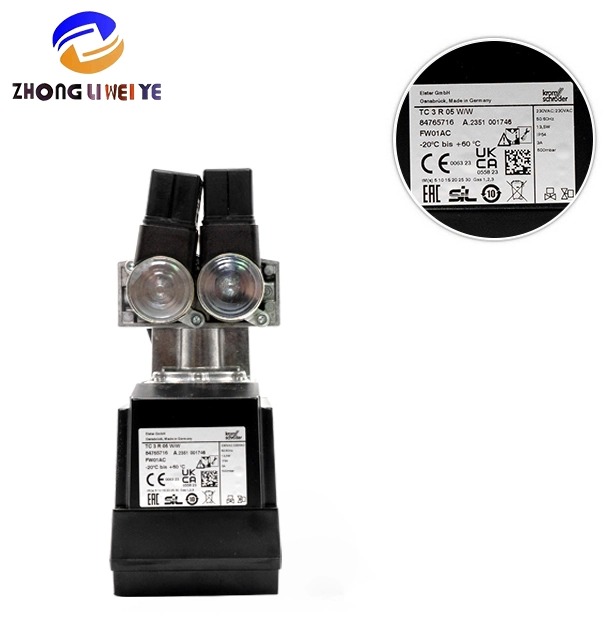
A well-designed burner control system carries out several essential functions to ensure optimal performance. Some of the key tasks of a burner control system include:
Ignition Control: It ensures that the burner ignites at the right time, using a spark, flame rod, or pilot flame to initiate combustion.
Fuel Management: The system regulates the delivery of fuel to the burner, adjusting the fuel-to-air ratio to maintain the correct burn conditions.
Safety Monitoring: It continuously monitors the burner’s operation for potential issues, such as flame loss, pilot failure, or fuel flow disruption. If a fault is detected, the system shuts down the burner automatically to prevent hazardous conditions.
Flame Monitoring: The system checks for the presence of a flame throughout the combustion process, ensuring consistent operation and avoiding dangerous situations where the flame could go out.
Shutdown and Alarm Functions: If a fault or dangerous condition is detected, the burner control system initiates a safe shutdown and activates alarm functions to alert operators.
In addition to these primary functions, burner control systems can also feature advanced diagnostic tools and connectivity options to provide real-time data for monitoring and troubleshooting.
The burner control system is composed of several interconnected components that work in tandem to ensure proper combustion. These components include:
Burner Program Controller: This is the central processing unit of the system, responsible for controlling all sequences of burner operations, such as ignition, flame monitoring, and fuel regulation.
Flame Detectors: These sensors detect the presence of a flame and communicate this information to the burner control system to verify that combustion is taking place.
Ignition Transformer: This component provides the necessary voltage to ignite the burner. It generates a high-voltage spark to start the combustion process.
Fuel Valves: These control the flow of fuel to the burner and ensure the right mixture of fuel and air is delivered.
Air Pressure Switch: This component ensures the proper air supply to the burner, ensuring there is sufficient oxygen for combustion.
Safety Relays: These are fail-safe components that immediately shut down the burner if a dangerous condition is detected.
Temperature Sensors: These measure the temperature of the combustion process and provide feedback to the control system for regulation.
| Component | Function |
|---|---|
| Burner Program Controller | Manages the overall control process for the burner system |
| Flame Detectors | Detects the presence or absence of flame |
| Ignition Transformer | Provides ignition voltage for burner start-up |
| Fuel Valves | Regulates the flow of fuel to the burner |
| Air Pressure Switch | Monitors and controls air supply to the burner |
| Safety Relays | Safeguards the system by shutting down the burner in case of faults |
| Temperature Sensors | Measures and controls combustion temperature |
The Burner Program Controller plays a pivotal role in the operation of burner control systems. It acts as the brain of the system, ensuring all burner components function in harmony. This controller executes the necessary sequence of operations, from ignition to the continuous monitoring of the combustion process. Depending on the complexity of the system, the burner program controller can feature programmable sequences for advanced applications, offering flexibility for varying burner types and operational needs.
Ignition Sequence: It ensures the burner is ignited safely and effectively.
Fuel-Air Ratio Control: The controller adjusts the fuel and air supply based on operational conditions, optimizing combustion efficiency.
Safety Interlocks: It manages safety interlocks, ensuring that if any critical component fails, the system will shut down to prevent hazards.
Diagnostic and Troubleshooting: Some modern controllers have diagnostic tools, allowing for real-time troubleshooting and data collection to monitor burner performance.
Advanced burner program controllers can also integrate with building management systems (BMS) and supervisory control systems, offering remote monitoring and control capabilities.
Safety and efficiency are the two primary objectives of any burner control system. The combustion process is inherently hazardous, involving high temperatures, flammable gases, and intricate machinery. Burner control systems help mitigate these risks through a variety of mechanisms:
Automatic Shutdown: In the event of abnormal conditions, such as flame failure or an unsafe fuel-to-air ratio, the burner control system will automatically shut down the burner to prevent dangerous situations.
Continuous Monitoring: Real-time flame and temperature monitoring help maintain safe combustion conditions, ensuring that the burner operates within optimal parameters.
Fault Detection and Diagnostics: Burner control systems often feature diagnostic tools that identify issues such as fuel flow disruptions, excessive temperature fluctuations, or malfunctions in key components.
Energy Efficiency: By optimizing the fuel-to-air ratio and combustion efficiency, burner control systems help reduce fuel consumption and lower emissions.
Burner control systems are used in a wide variety of applications across industries that rely on combustion processes. These include:
Industrial Furnaces: Burner control systems ensure the precise operation of high-temperature furnaces used in metalworking, ceramics, and other manufacturing processes.
Power Generation: In power plants, burner control systems manage the combustion process in boilers and turbines, helping to produce steam for electricity generation.
Heating Systems: In both residential and commercial heating applications, burner control systems regulate the burner’s performance to maintain comfortable indoor temperatures.
Incinerators and Waste-to-Energy Plants: Burner control systems manage the combustion of waste materials to generate energy in waste incineration facilities.

When selecting a burner control system, several factors should be considered, including:
Type of Burner: Different burners (e.g., gas, oil, or multi-fuel) may require different control systems, each with specific features to manage combustion.
Safety Features: Prioritize systems with built-in safety mechanisms, such as flame detection, fuel management, and emergency shutdown functions.
Efficiency: Choose a system that offers energy-efficient operation, minimizing fuel consumption and reducing environmental impact.
Integration with Other Systems: If you are managing a large facility, consider a system that integrates with other control systems, such as a building management system (BMS) for remote monitoring.
Burner control systems are an indispensable part of modern industrial and commercial combustion processes. By ensuring safe ignition, stable combustion, and efficient fuel usage, these systems not only protect personnel and equipment but also reduce operating costs and environmental impact. The burner program controller is central to the operation of these systems, coordinating all the essential functions required for safe and efficient burner management.
Investing in a high-quality burner control system can dramatically improve the safety, efficiency, and longevity of your combustion equipment, offering long-term benefits across multiple industries.
1. What is the difference between a burner control system and a burner program controller?
A burner control system is the entire set of components that manage the combustion process, including the burner program controller. The burner program controller specifically refers to the central unit responsible for managing the sequence of operations in the burner system.
2. Can burner control systems be used with all types of burners?
Burner control systems can be used with most industrial and commercial burners, but the exact system required will depend on the burner type (e.g., gas, oil, or multi-fuel) and the specific requirements of the application.
3. How does a burner control system improve energy efficiency?
By optimizing the fuel-to-air ratio and ensuring proper combustion conditions, burner control systems help reduce fuel waste, increase combustion efficiency, and lower energy consumption.
4. What safety features are typically included in a burner control system?
Common safety features include flame detection, fuel flow regulation, temperature monitoring, automatic shutdown, and fault detection mechanisms.
5. Are burner control systems difficult to maintain?
With proper regular maintenance, burner control systems can be reliably operated over long periods. Many modern systems also feature diagnostic tools that simplify troubleshooting and maintenance.