
Views: 314 Author: Site Editor Publish Time: 2025-12-30 Origin: Site


The Role of Burner Universal Controllers in Compliance and Standards
How Burner Universal Controllers Improve Efficiency and Reliability
Choosing the Right Burner Universal Controller for Your System
In industrial and commercial settings, burners are essential components used for heating, combustion, and energy production. However, because burners often operate at high temperatures and pressures, they pose significant safety risks if not properly managed. This is where a Burner Universal Controller plays a crucial role. As the name suggests, these controllers are designed to manage and regulate burner operations in a variety of heating systems.
One of the most critical aspects of a Burner Universal Controller is the incorporation of advanced safety features that help prevent accidents, minimize risks, and enhance overall operational reliability. This article explores the safety mechanisms embedded within these controllers, explaining how they ensure safe operation and prevent potential hazards. We will also delve into how these features contribute to system efficiency and compliance with industry standards.
A Burner Universal Controller is a versatile electronic device designed to oversee the operation of burners in a range of heating systems. Whether in boilers, furnaces, or industrial heating applications, these controllers manage the burner’s ignition, flame monitoring, fuel supply, and shutoff processes. Their primary function is to ensure that the burner operates within safe and efficient parameters, preventing malfunctions and maintaining the system's integrity.
The controller also continuously monitors various variables like temperature, pressure, and combustion conditions. It plays an integral role in ensuring that burners operate optimally while minimizing energy consumption, reducing emissions, and enhancing the longevity of the equipment. The safety features built into the controller are specifically designed to address the risks associated with burner operation, such as fuel leaks, overheating, or flame failures.
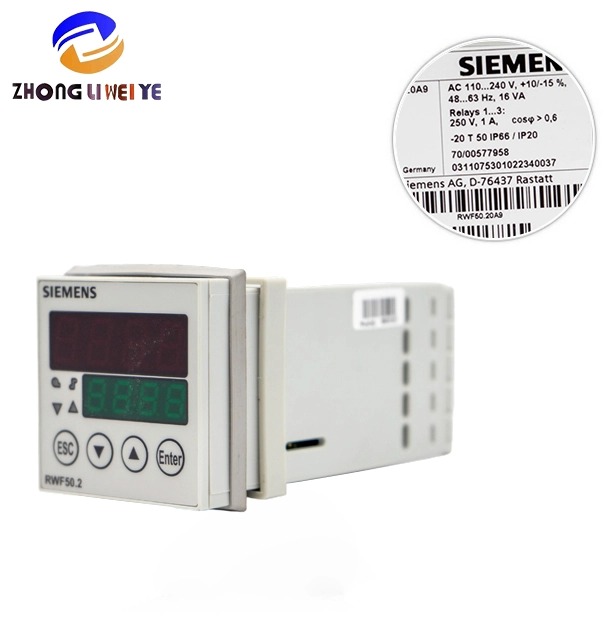
One of the most important safety features in a Burner Universal Controller is flame detection. The controller uses specialized sensors (such as ionization or UV flame detectors) to monitor the presence and stability of the flame during combustion. If the flame is extinguished unexpectedly or fails to ignite, the controller detects this immediately and initiates a series of corrective actions.
In case of flame failure, the controller will automatically shut down the burner and attempt to re-ignite. If repeated failures occur, the system will trigger an alarm or alert the operator to take action. This feature is critical to prevent the dangerous accumulation of unburned fuel, which could lead to an explosion or fire.
Key Benefits:
Prevents fuel buildup and potential combustion hazards.
Ensures that the burner only operates when safe, stable flame conditions are met.
Minimizes risks of accidents due to flame failure.
Overtemperature protection is another key safety feature of Burner Universal Controllers. This system monitors the temperature of the burner and surrounding components to ensure that it doesn't exceed preset safe limits. If the temperature rises beyond the acceptable threshold, the controller activates an emergency shutdown process.
The overtemperature protection helps protect the burner from overheating, which could lead to system failure, fire hazards, or damage to critical components. By automatically shutting down the burner in case of excessive heat, the controller ensures that the system remains within safe operating temperatures.
Key Benefits:
Prevents overheating and potential thermal damage.
Protects the structural integrity of the burner and associated components.
Enhances the longevity of the equipment by preventing heat stress.
Burners in certain applications operate under high pressure, which can be dangerous if there is a sudden fluctuation or system failure. Pressure relief and leak detection mechanisms built into the Burner Universal Controller monitor the pressure levels within the burner system. If the pressure exceeds safe limits or a leak is detected, the controller triggers an automatic shutdown to prevent further damage or hazardous situations.
Additionally, many Burner Universal Controllers are equipped with sensors that detect gas or fuel leaks. These sensors monitor the fuel supply lines and ensure that no dangerous leaks occur. If a leak is detected, the controller immediately shuts off the fuel supply and alerts the operator.
Key Benefits:
Prevents pressure-related explosions and accidents.
Detects and shuts down systems in case of dangerous gas or fuel leaks.
Ensures the system operates safely under optimal pressure conditions.
An emergency shutdown system is a vital safety feature in any burner system. In the event of a catastrophic failure or detection of dangerous conditions (such as flame failure, overtemperature, or pressure issues), the Burner Universal Controller can initiate an emergency shutdown.
This system is often activated by a combination of failure scenarios, such as loss of flame and excessive pressure or temperature, making it a last line of defense. The emergency shutdown ensures that the burner system ceases operation immediately to prevent any escalation of hazards.
Key Benefits:
Provides a fail-safe mechanism to prevent accidents.
Minimizes damage to the burner and surrounding equipment in emergency situations.
Quickly responds to critical failures to protect operators and property.
The Burner Universal Controller often includes a diagnostic system that displays fault codes when it detects irregularities in burner operations. These codes can indicate anything from minor issues like a clogged filter to critical failures such as a malfunctioning flame sensor.
The controller can send real-time alerts to operators, allowing for quick intervention before a minor issue escalates into a major problem. This feature is essential for proactive maintenance, helping to prevent breakdowns and extend the lifespan of the burner.
Key Benefits:
Allows for proactive troubleshooting and maintenance.
Alerts operators to issues before they compromise safety.
Reduces downtime and repair costs by identifying problems early.
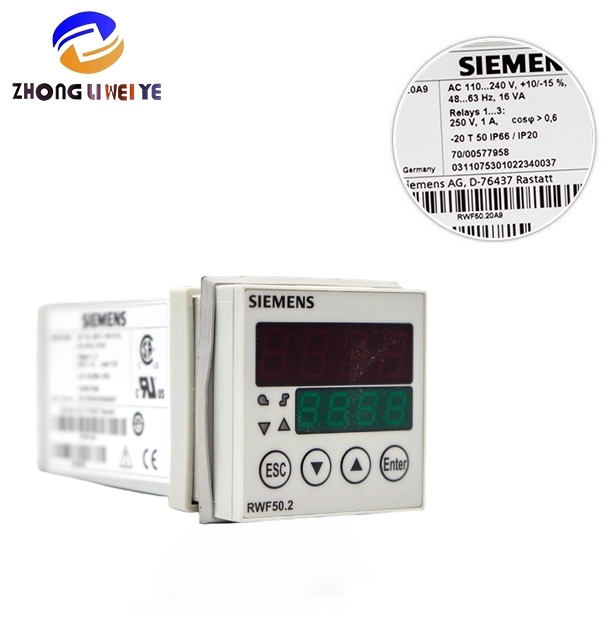
The combination of flame detection, overtemperature protection, pressure relief, leak detection, emergency shutdown systems, and fault diagnostics provides a comprehensive safety net for burner operations. These features work together to detect early signs of malfunction, automatically shut down the burner when unsafe conditions arise, and alert operators for further investigation.
By preventing dangerous scenarios such as flame failure, overheating, and pressure anomalies, these safety features reduce the risk of accidents such as explosions, fires, and system failures. Additionally, they enhance the overall reliability and operational efficiency of burner systems, ensuring that industrial and commercial heating operations run smoothly and safely.
Burner Universal Controllers are not just safety tools; they are also essential for compliance with industry standards and regulations. In many jurisdictions, burner systems are subject to strict safety codes, which are designed to protect workers, equipment, and the environment. These regulations often require that safety features, such as flame detection, pressure relief, and automatic shutdown systems, be integrated into the burner management system.
By incorporating these features, Burner Universal Controllers help operators meet legal and safety requirements, avoiding fines and legal liabilities. Furthermore, these controllers can contribute to energy efficiency standards by optimizing burner performance and minimizing waste.
Beyond safety, Burner Universal Controllers also enhance the efficiency and reliability of burner systems. By continuously monitoring key parameters such as temperature, pressure, and flame stability, the controller ensures that the burner operates within optimal performance ranges. This reduces energy consumption, lowers operating costs, and minimizes environmental impact by reducing emissions.
The controller’s ability to detect and resolve problems early also reduces the likelihood of system breakdowns, improving overall reliability and uptime. By maintaining a constant watch over the burner system, the Burner Universal Controller ensures that it runs smoothly and efficiently, offering both economic and operational benefits.
A Burner Universal Controller is more than just a regulatory device; it is a crucial component that ensures the safety, efficiency, and longevity of burner systems. Its safety features, including flame detection, overtemperature protection, pressure relief, leak detection, and emergency shutdown systems, work together to prevent accidents, protect workers, and ensure compliance with industry standards.
With its ability to continuously monitor burner performance, troubleshoot faults, and optimize energy usage, the Burner Universal Controller plays an indispensable role in modern industrial and commercial heating systems. Investing in these controllers ensures safer, more efficient operations and a higher return on investment by extending the life of equipment and minimizing costly downtime.
1. What is the primary role of a Burner Universal Controller?
The primary role of a Burner Universal Controller is to regulate and monitor the operation of burners in heating systems, ensuring that they operate safely and efficiently. It also integrates safety features that prevent accidents, such as flame detection and overtemperature protection.
2. How does flame detection work in a Burner Universal Controller?
Flame detection in a Burner Universal Controller works through sensors like ionization or UV flame detectors. These sensors monitor the presence and stability of the flame. If the flame fails, the controller shuts down the burner to prevent dangerous conditions.
3. Can a Burner Universal Controller help reduce maintenance costs?
Yes, by providing real-time diagnostics and fault code alerts, a Burner Universal Controller allows operators to address minor issues before they become major problems, which can significantly reduce maintenance and repair costs.
4. How does the Burner Universal Controller improve efficiency?
The controller optimizes burner performance by monitoring key parameters such as temperature, pressure, and flame stability, ensuring the system operates within its most efficient range. This reduces energy consumption and emissions.