
Views: 216 Author: Site Editor Publish Time: 2025-12-12 Origin: Site


In industrial heating systems, burner program controllers play a crucial role in regulating the combustion process and ensuring the safe operation of burners. These systems are designed to maintain the efficiency and safety of the burner, reducing the risk of malfunction and ensuring proper functioning under varying conditions. In this article, we will delve into the essential safety features typically found in a Burner Program Controller (BPC) system. Understanding these features is vital for ensuring the protection of both personnel and equipment in high-risk environments.
A Burner Program Controller (BPC) is an automated system designed to manage the operation of industrial burners, ensuring the safe and efficient combustion of fuel. These controllers are typically integrated with various sensors and safety mechanisms to monitor and control parameters such as fuel flow, ignition timing, and combustion air, all while adhering to strict safety standards.
In addition to controlling the burner's operation, a Burner Program Controller is responsible for detecting any abnormal conditions that may indicate potential system failures or safety hazards. When such conditions are detected, the controller can trigger protective actions such as shutting down the burner or activating alarms.
The safety features embedded in these systems are vital in industries such as manufacturing, power generation, and chemical processing, where the risks of combustion-related accidents can have serious consequences.
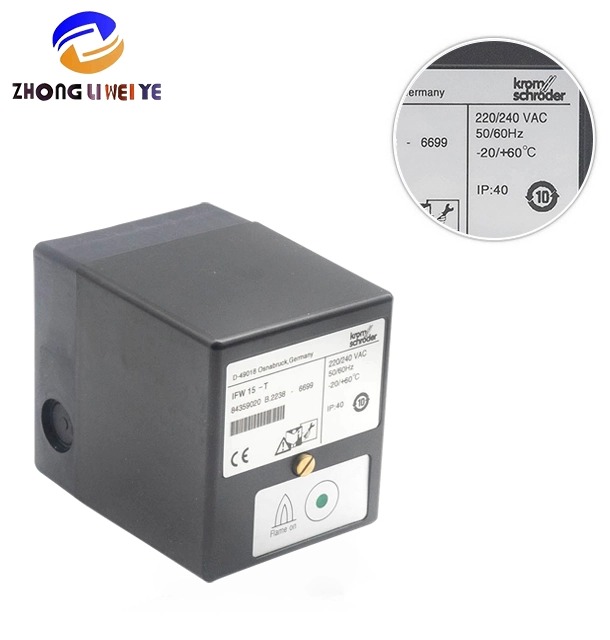
One of the most critical safety features in any Burner Program Controller is its flame detection system. This system ensures that the burner is operating with a stable flame and helps prevent dangerous situations such as unlit burners or flame outages. The flame detection system continuously monitors the burner’s flame to ensure it is both present and steady. If the flame is extinguished, or if there is a fluctuation outside of acceptable parameters, the system will automatically trigger an alarm and, if necessary, shut down the burner to prevent a potential hazard.
Several methods of flame detection are commonly used, including ultraviolet (UV) sensors, infrared (IR) sensors, and ionization. Each method offers different benefits depending on the specific application and environment. For example, UV sensors are effective at detecting both the presence and quality of the flame, while IR sensors are less sensitive to disturbances caused by environmental factors.
Closely related to flame detection is the flame failure safety mechanism. This feature ensures that the burner system reacts appropriately in the event that the flame goes out unexpectedly. Flame failure is a serious safety concern because an unlit burner can cause unburned fuel to accumulate, leading to potential gas explosions or fires.
When the Burner Program Controller detects a flame failure, it will initiate an automatic shutdown procedure to stop the fuel flow and prevent any hazardous situations. This mechanism is often integrated with a lockout system that will require manual intervention or reset before the burner can be restarted, ensuring that the issue is addressed before any further operation.
Burner systems operate under highly controlled conditions, where fluctuations in temperature and pressure can have significant impacts on both efficiency and safety. The Burner Program Controller includes temperature and pressure monitoring systems to ensure that these parameters remain within the safe operating range.
For example, excessive temperature or pressure could indicate a malfunction in the burner, potentially leading to overheating or even explosions. By continuously monitoring these values, the BPC can automatically adjust the burner’s operation to prevent dangerous scenarios. If the monitored values exceed or fall below preset limits, the system will trigger alarms or activate shutdown procedures to safeguard against catastrophic failures.
Fuel pressure is another critical factor in the safe operation of burners. Burner Program Controllers are equipped with high and low fuel pressure protection systems to ensure that fuel is delivered to the burner at the correct pressure. Too much pressure could lead to a violent combustion, while too little pressure might prevent the burner from firing correctly, resulting in inefficiencies or flame failure.
In the case of abnormal fuel pressure, the Burner Program Controller will typically take corrective actions such as shutting off the fuel supply or activating an alarm to alert operators of the issue. These safety mechanisms help maintain burner performance and prevent accidents caused by improper fuel delivery.
Burner systems must have an emergency response mechanism in place to prevent dangerous conditions from continuing unnoticed. The lockout system is an essential safety feature that prevents the burner from restarting until the underlying issue has been identified and rectified. For example, if the system detects multiple flame failures or persistent pressure issues, the lockout mechanism will trigger, and the system will be locked out until manually reset.
Additionally, alarm systems are built into the Burner Program Controller to alert operators in case of a fault or potential hazard. These alarms can vary in terms of severity, with visual and audible indicators providing operators with clear warnings when immediate attention is required.
To further enhance the safety of the burner system, many Burner Program Controllers include fail-safe mechanisms. These are redundant systems designed to take over in the event of a primary system failure. For example, if a sensor or component fails, the system will switch to a backup sensor to continue monitoring crucial parameters like flame presence, fuel flow, and pressure.
Fail-safe mechanisms reduce the likelihood of a hazardous failure by ensuring that the controller can continue to function safely, even in the event of hardware malfunctions or system degradation. These mechanisms are essential for industries where uptime and safety are critical.
Burner Program Controllers must adhere to various industry-specific safety standards, such as NFPA 85 (National Fire Protection Association), ISO 9001 (Quality Management Systems), and IEC 61508 (Functional Safety). These standards provide guidelines for the design, implementation, and operation of safety systems in industrial environments.
By ensuring compliance with these safety standards, businesses not only protect their workers and equipment but also improve the efficiency and reliability of their combustion systems. These standards also provide an industry-recognized benchmark for burner system safety, ensuring that the equipment meets the highest safety and performance criteria.
The field of burner safety is continually evolving, with new technologies and advanced features being integrated into modern Burner Program Controllers. For example, integrated wireless communication systems allow remote monitoring of burner performance, enabling operators to intervene before issues escalate. Advanced diagnostic tools can also predict potential failures before they occur, providing early warnings to reduce downtime.
Additionally, artificial intelligence (AI) and machine learning are making their way into burner control systems, enabling predictive maintenance and real-time optimization of burner operations. These advanced systems further enhance safety by proactively identifying patterns that could lead to failures and making adjustments to prevent them.
The safety features integrated into Burner Program Controllers are specifically designed to detect potential issues early and prevent them from escalating into catastrophic failures. Features like flame detection, pressure monitoring, and lockout mechanisms all contribute to the system’s ability to safeguard against dangerous conditions, ensuring that the burner operates efficiently and safely at all times.
Moreover, the ability to continuously monitor parameters and take corrective action in real-time reduces the risk of prolonged system failures. By minimizing human intervention and automating safety procedures, the Burner Program Controller helps prevent mistakes and enhances overall safety in industrial operations.

The primary benefit of safety features in a Burner Program Controller is the protection of human life and equipment. By ensuring that dangerous conditions are swiftly identified and rectified, these safety mechanisms reduce the risk of accidents, such as explosions, fires, and toxic gas leaks.
Additionally, the use of safety features can significantly improve the efficiency of the burner system. For example, temperature and pressure monitoring systems help optimize combustion processes, leading to reduced fuel consumption and lower operating costs.
Lastly, these features help businesses comply with safety regulations, ensuring that their operations meet the required standards and pass safety audits.
Burner Program Controllers are essential for maintaining the safety, efficiency, and reliability of industrial combustion systems. By incorporating advanced safety features such as flame detection, pressure monitoring, and fail-safe mechanisms, these systems mitigate risks and protect both personnel and equipment. As industries continue to prioritize safety and efficiency, the role of Burner Program Controllers in preventing accidents and system failures will only become more critical. By understanding these safety features, businesses can make more informed decisions about their burner control systems and ensure that they meet both operational and regulatory requirements.
1. What is the role of a Burner Program Controller in a combustion system?
A Burner Program Controller manages the operation of industrial burners by controlling fuel flow, ignition timing, and combustion air. It ensures that the burner operates efficiently and safely, minimizing the risk of accidents.
2. How does flame detection work in a Burner Program Controller?
Flame detection systems monitor the burner flame in real-time. If the flame is extinguished or fluctuates outside of safe limits, the system triggers an alarm or automatically shuts down the burner.
3. Why is high and low fuel pressure protection important?
Fuel pressure protection ensures that fuel is delivered at the correct pressure, preventing the risk of combustion problems, such as over-pressurization or insufficient fuel flow, both of which can lead to dangerous situations.
4. How do lockout systems improve safety in burner systems?
Lockout systems prevent the burner from restarting after a fault until manual intervention is performed. This ensures that the underlying issue is addressed before the burner is brought back online, preventing potential hazards.
5. Are there any advanced technologies integrated into modern Burner Program Controllers?
Yes, modern Burner Program Controllers may include wireless communication, AI, and predictive maintenance features, which help optimize burner performance and enhance safety by anticipating and preventing failures.